Author: s1212_admin

  • Choosing a Recording Studio

    Choosing a Recording Studio

    How To Choose a Recording Studio When On A Vacation in Las Vegas 

    If you’re planning on vacationing in Las Vegas and want to record some music while there, you might wonder how to choose the right recording studio. There are so many options to choose from, and narrowing them down can be difficult. Here are four tips for selecting the proper recording studio when you’re on vacation in Las Vegas. With these tips, you’ll be sure to find the perfect recording studio for your music project. 

    Choose Location Wisely

    One of the most important factors to consider when choosing a Las Vegas recording studio is its location. Where exactly is the studio located? Is it close to where you are staying while on vacation in Las Vegas? You should keep looking for a better option if it is outside a convenient location. A great way to find studios near you is by using an online directory which can help narrow your search by location. Additionally, if you are unfamiliar with the area, be sure to do some research beforehand and read reviews about different studios. It will help you make an informed decision about the best place for your needs. 

    Consider Your Budget

    When selecting a recording studio, plan the budget while on vacation in Las Vegas. Many studios offer different packages depending on your needs, so make sure to get an idea of what’s available and the associated costs. If you’re looking for something more affordable, consider buying a Block package at Studio1212 Las Vegas. You may also find studios that offer discounted rates during certain times of the year. Additionally, look into any specials or promotions that might be available. Do your research and make sure you’re getting the best deal possible. 

    Check Availability

    When you’re on vacation in Las Vegas, it is essential to ensure that the recording studio you choose is available when you need it. Consider both peak and off-peak hours when making your decision. Different studios have different hours of operation, so inquire about this before booking a session. You should also ask about the studio’s capacity for accommodating multiple sessions and how far in advance you should book your session. Additionally, if you plan on bringing your engineer, check with the studio ahead of time to ensure they can accommodate it.

    Check Whether The Service Is Good Or Not! 

    When selecting a Las Vegas recording studio, consider the services offered. Many studios provide various services, such as mixing, mastering, sound design, vocal tracking, beat-making, and instrumentals. Make sure to inquire about the benefits the studio offers before deciding. Also, ask about any other services you may need and find out if they can accommodate them. It’s essential to make sure the studio you choose has the services you need for your project. These are some ways to choose a recording studio on a Las Vegas vacation.
  • Apple Computers And Their History

    Apple Computers And Their History

    Apple computers.

    The origin of apple computers began in the apple tech startup in California. Both co-founders of the company, Steve Jobs and Steve Wozniak, were college dropouts hoping to build something of their merit. Computers were large and bulky systems that only elite companies could access during that time.

    The vision of the Steve brothers was to make a personal computer that is user-friendly, small in size, but used by everyone. And that idea revolutionized how we see computers today and even in Vegas recording studios.

    The early years of personal computers

    Apple Inc was known initially as apple computer when it started its journey in 1976. Everything started in Steve’s garage, where they created the first-ever computer with a single motherboard. Moreover, everything on this computer came pre-assembled, which was never seen before during that time. The computer was called the Apple 1.

    A year later, the duo introduced Apple 2. Apple 2 was an upgraded version of the apple one and solved many problems related to user experience. This fantastic machine came with its infrared keyboard case and floppy disc slot.

    Around 1980, the Apple computer finally came out with the Apple 3. Only a year before IBM finally made its first personal computer machine. Apple three had some of the harshest critiques and was a failure from a business perspective. It significantly harmed the Reputation of the company and vegas recording studios. Experts during that time thought that Apple computers would never be able to escape this dire situation, and it was the company’s end.

    The Macintosh

    By beating all the negative brand image that Apple had with their apple, three lineups came to the most successful product, the Macintosh computer. It was first released in 1984 and was an instant hit.

    The computer features a GUI and many other software programs like the word processor, MacPaint, and others. Many news outlets, including the New York Times, stated that the Macintosh computer would revolutionize the personal computing experience.

    In 1985 Steve Jobs came out of the company due to some disagreement with the CEO of Apple, named John Scully. Later in 1997, Steve Jobs returned as the Interim CEO of apple. And one year after he returned to the company, the iMac was introduced, which started the era of the modern-day computer we use in vegas recording studios today.

  • The History of TASCAM

    The History of TASCAM

    TASCAM is the leading company responsible for the home studio revolution we see today in las vegas and around the world. It is one of the four divisions the TEAC corporation has, a Japanese company with a net worth of over $1.2 billion. The three other divisions TEAC has to focus on are making various high-tech industries and industrial-grade products for the mass consumer. However, their TASCAM division is still running with the sole goal of offering some of the most innovative products on the market, primarily dedicated to audio and music and las vegas recording studios. The legacy of TASCAM The journey of the parent company TEAC started back in 1953 in the city of Musashino.

    The company’s main factory was in Musashino city, and the manufacturing was in Tokyo. Tokyo was also responsible for taking care of all the professional-grade audio components and electrical appliances for recording studios. The company’s name was Tokyo Television Acoustic Company, which later changed its name to TEAC at the end of 1956. The goal of this company was to be the leader in a magnetic recording device used in las vegas recording studios, which later built the pathway to its success in all the other industries we see today. In 1958, Philco, a radio engineer, called the company after he heard about the TD-102. He instated to Bretz to tell everyone about the product, which the company finally agreed on. And that decision made TD-102 an instant success. The TD-102 was purchased with cash overseas, which later helped the company with its overseas expansion. The era of TASCAM

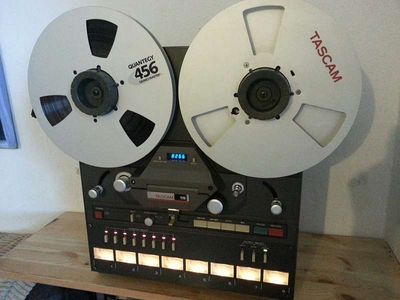
    Ever watched the fan-favorite first star wars film? It was recorded by the TASCAM 80-8 tape. It was a ½ inch reel to reel recorder. The video recording was a hit after it came to market all professionals in the creative industry widely adopted it. It featured a state-of-the-art front panel design, which allowed everyone to control all the aspects of the recorder.

    During that era, increasingly underrated music artists in las vegas recording studios were merging, intending to showcase their talents to music lovers. They were all looking for an economical solution to take care of the recording aspect of their music. During that time, no professional-grade recording equipment was within the budget of small-time music artists. Realizing the gap in the market, TASC instantly took the philosophy of offering recording equipment that provides quality and durability. And all of that while also being affordable to the mass market.  


  • Recording Studios And Apogee

    Recording Studios And Apogee

    Apogee is one of the leading Audio interface manufacturers in America and thought-out recording studios in Las Vegas. They have been around for over 30 years. Known to offer the most innovative, high-quality audio interfaces. They also provide various audio production software, converters, microphones, and more.

    They have received numerous awards for their top-of-the-line products with various record braking music tracks. So without any further ado, let us dive in and discover the true legacy behind Apogee electronics.

    The Legacy of Apogee

    The co-founders of this company were Betty Bennett, Bruce Jackson, and Christof Heidelberger. The company was founded in 1985 when the digital audio industry underwent a massive change. The co-founders were frustrated with the digital audio scene and thought it deserved a complete overhaul to ensure better quality in recording studios in las vegas. And that was their true vision for the company. 

    The filter that won a TEC award

    Even though digital music has been around the block for quite a few decades. It needed a bit of warmth and soul that analog recordings had. Even though digital recording was being adopted more and more due to how easy it was to use, the quality could never match analog recording. But that changed when Apogee debuted with their 944 Series lowpass filter. The filter fits into various Sony PCM3324 24-track digital machine channels.

    Even after all the production time and research into the 944 series lowpass filter, it was not an instant hit in the market. However, a big thing to note is that the filter won a TEC award. That filter spread the name of Apogee in the music mixing industry and recording studios in vegas like a storm. They quickly found fame with their state-of-the-art interfacing technology.

    After six years of funding, Apogee finally made their first Standalone converters named the DA-1000 and the AD-500. Despite not having popularity with their first filter seriously, the converters gained tons of attraction and built a pathway to success that today’s Apogee has.

    In 1997, Apogee released its Innovation Audio Interface to the public, which was also a significant hit. Today, the company is still under the watch of co-founder Betty Bennett, even though the rest of the co-founders are out of the picture. There are now offering top-of-the-line gear catered to fulfill the needs of almost every creator across all backgrounds.

  • Avid S6 History

    Avid S6 History

    The journey of The famous Avid S6 started back in 2013 when Avid finally accounted for the launch. But what is the true history of the Avid control surfaces? Let us dive right in and find out about Digidesign’s Surface Controller.

    The Long Journey

    Everything started in 1998 when Digidesign first introduced its first series of surface controls for las vegas recording studios. This launch followed three years of continuous announcements. But the launch was not as effortless as it might look to some newcomers. However, The pro-controllers offered some top-notch accessibility to the pro tools for mixing and Vegas recording studios. And they failed to do the development. It also features a unique control room section where users can seamlessly monitor all Playback from Digidesign control 24.

    New Vision

    Following up the ProControl came the Digidesign control 24 in 2001. It was the company’s 2nd try at building a control surface for Recording studios in vegas. This time they included preamp along with 24 series motorized fades, 16 unique mic preamps, and much more.
    In 2004 Avid came out with the Icon D-control, which allows the pro tools to now mix larger projects. Even if you could handle large-scale projects before, with the D-control, you can now do it without the help of any additional mixing console.
    Just one year after the Successful launch of Icon D-control came out, its successor Icon D-command. This model offered faders, That could be expanded for another 16 faders.
    During the next few years, we witnessed many other industry-leading las vegas recording studios—innovations like the C24, Icon D-Control ES, and D-Command ES.

    Avid S6 legacy

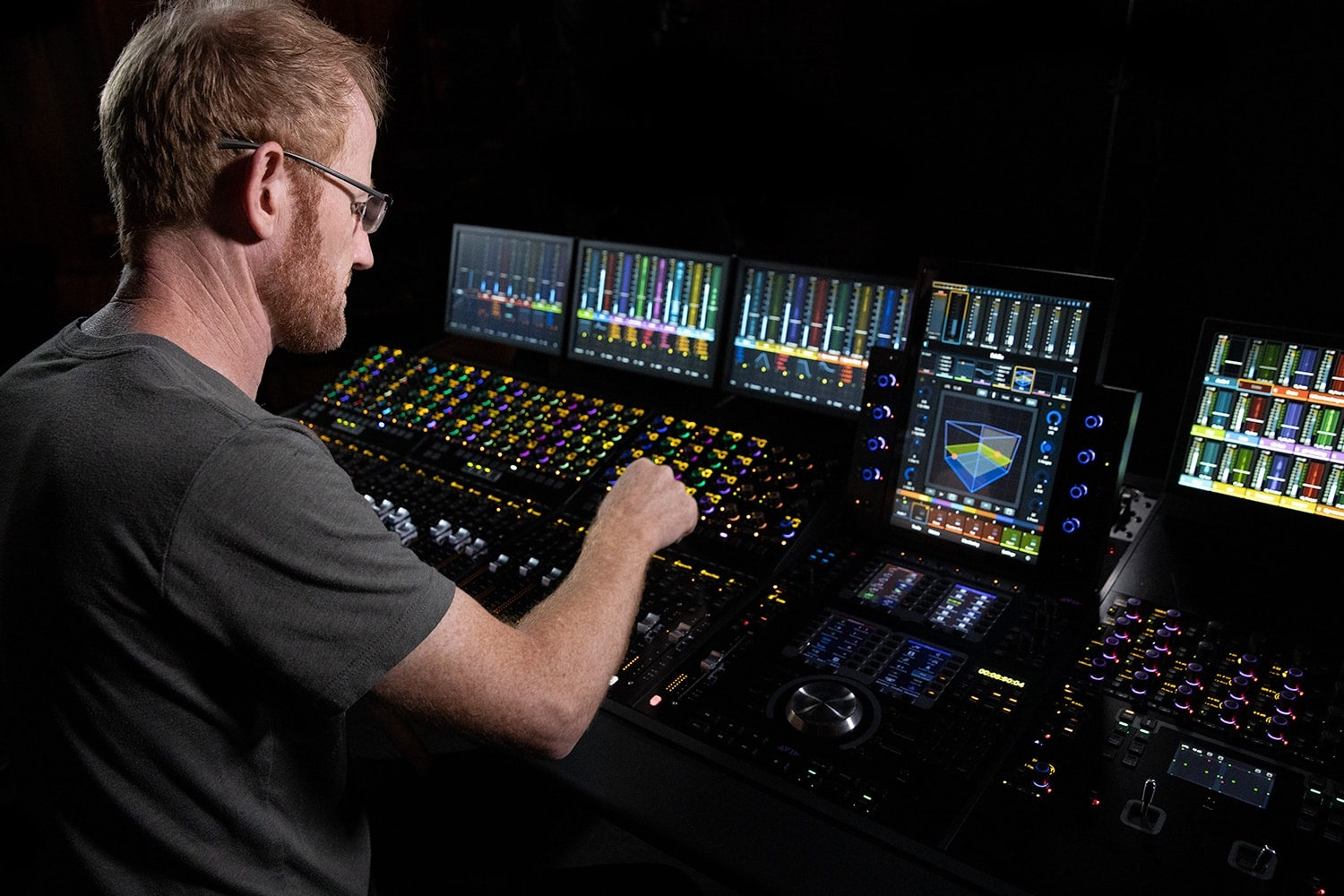
    But it was time for a new modular design to surface to satisfy the ever-hungry consumer market. And AVID did just that with their S6 control surface, vegas recording studio. This model leveraged all the innovations and developments of the ICON and the five product systems built with two core frames.
    The M40 allowed up to 41 modules, while the M10 offered up to 9 modules.


    The S6 M40 is the most expensive lineup model for professionals looking for unparalleled scalability and customization. On the other hand, they did not leave the small-size facilities and the produce hanging dry. The M10 is catered to their specific needs. In 2013 the company successfully launched Avid S6; then came up with control surfaces like the S3 at the top of 2014. In 2019 the S4 was released. However, S6 remains the most redefined model to satisfy the workflow needs of modern sound engineers for vegas recording studios.
    Even to this day, the Avid S6 is used to create the best performance by harnessing its ability to develop and provide the best sounding mixes ever possible.

  • Korg And It’s Long History

    Korg And It’s Long History

    If you are in the Vegas recording studio music industry, then Korg will be a widespread name. The company has been in the market for over 40 years. They have provided their consumers with state-of-the-art music gear—synths, electronic percussion, guitar tuners, recording studios, and more. So, let us dive right in and see how this legacy first started.

    The starting point of Korg was back in 1962 in the city of Tokyo. Tadashi Osanai and Tsutomu Kato founded the company, and it was named Keio Gijutsu Kenkyjo Limited. But things started way before the establishment of the company.
    Tsutomu Kato was the proud owner of a Japanese Nightclub backing in the days. And Tadashi Osanai was a regular performer in the club. Osanai used a rhythm machine in the club, which was not up to the best standards. So later one day, he confronted the club owner, Kato, and convinced him to finance his project of making a better rhythm machine. And this was how everything started.

    The company’s first production line device was a mechatronic rhythm machine named the Donca Matic DA-20 in 1963. The DA-20 quickly rose in popularity in recording studios in las vegas and around the world. The company did not want to miss this chance and followed this popular trend by inventing a solid-state version of the DE 20 three years later.

    Korg

    The company later ran in the name of Korg in 1972. The Korg name was from the initials of the two founders Kato and Osanai.
    Kato got confronted by a student of the Berkeley school of music in 1972. The student stated that he found a massive similarity of sounds between the Moog instrument he saw back in the states with the media’s organs.

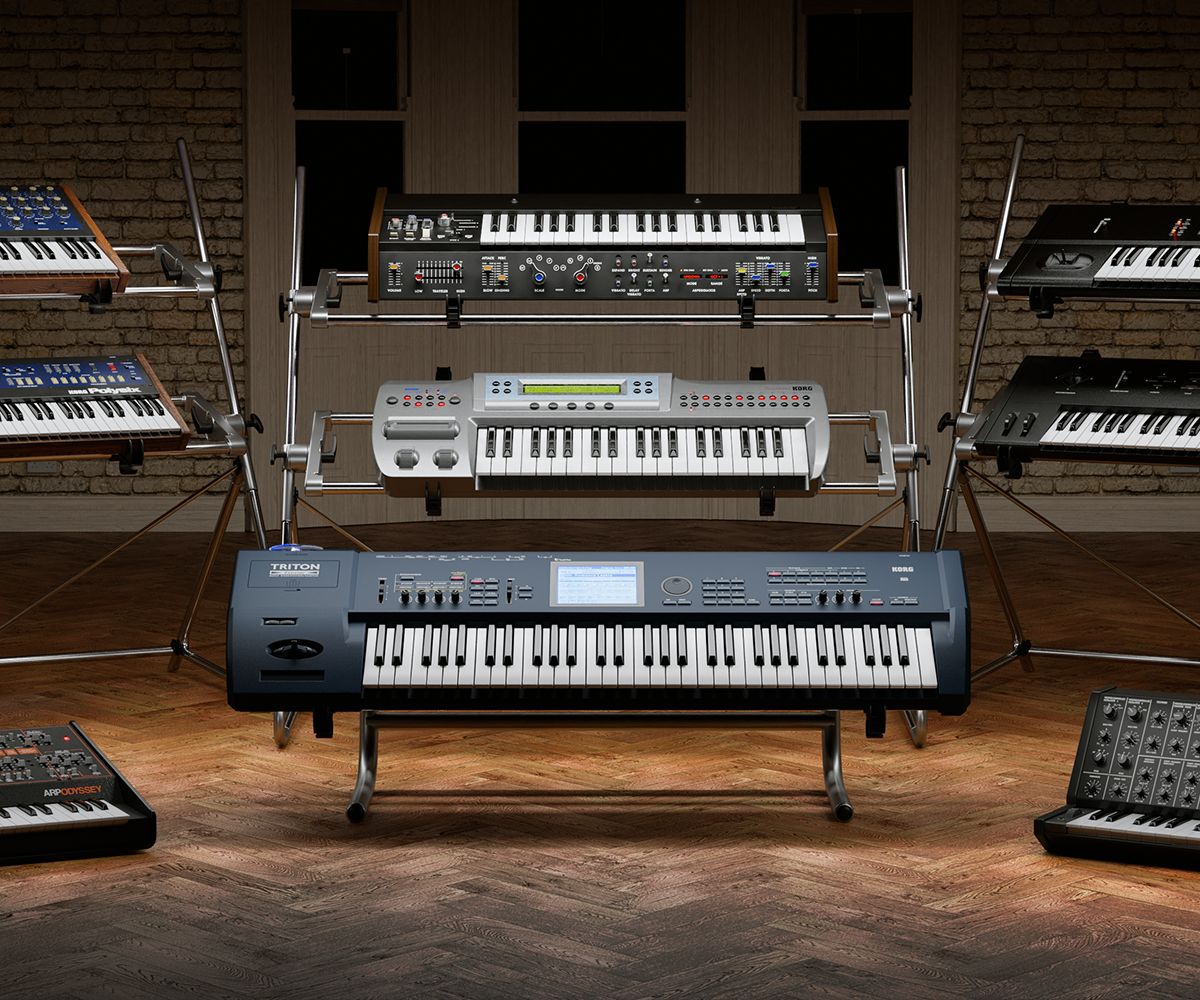
    Kato saw this as an opportunity and made their first mono synth named the Korg 700 in 1973. also used it in many recording studios. Back in that time, there was no other Japanese company that built synthesizers. So he quickly rose to the top with this product. The great thing about the Korg 700 was the stability, ease of use, and of course, the affordable price. The Keio Electronic began their venture all around the world with mass production of the Korg 700. With the overwhelming success of the 700 series, they released an improved Korg 700s in the following year.

    In 1975 they created one of the most incredible mono synthesizers ever built named Korg 800DV. This device utilized the two Korg 700s in its core. It took the recording studio industry by surprise and allowed users to play more realistic and expressive sounds. And to this day, 800DV stands as one of the best mono synths ever built. As a result, it can create two unique sounds that could play independently of each other.

  • Roland Corporation

    Roland Corporation

    The electronic music company Roland is a standing statue in the SOS industry. The Roland Corporation recording studio Las Vegas had an astonishing journey through time. No successful SOS reader has ever been so far in their journey without using one of the Roland instruments at one point. So, let us dive right in and find out why.

    The founder of the company, Ikutaro Kakehashi, was born in 1930. He had a tragic childhood from the very beginning as his parents died from tuberculosis when he was only two years old. He did his major in mechanical engineering while also working as a schoolboy worker in Vegas recording studios.

    In 1954, he got frustrated with unemployment. Even after completing his engineering degree, he was very good at discipline. It made him start his electrical products and repair shop named Kakehashi Radio. The shop quickly becomes very famous for its work. In only six years, he had over 20 staff in the shop later called ACE electrical company.

    The Recording Studio Journey

    But in 1955, he wanted to do something new with his strong passion for music recording studio Las Vegas. He wanted to utilize his skills in electronics and make something for the music industry, which is how the journey started.

    In the first year, he started building a theremin. But he quickly found out that it was complicated to master. As a result, he realized that he had to find other machines he wanted to succeed in building. So, he diverted his interest into keyboard-based instruments.

    In 1959 he built a guitar amplifier while also doing organ development. He later designed the Technics SX601. The Korg company inspired Kakehashi. And in 1972, that inspiration gave birth to the Roland Corporation.

    After only launching the company for a few months, he got an offer from the Hammond Organ Company. Hammond organ company wanted to buy 60 percent of the shareholding in return for a significant investment in Roland and the recording studio in Vegas. But Kakehashi had no interest in being the small partner in his own company, so he declined the offer and moved forward on his own.

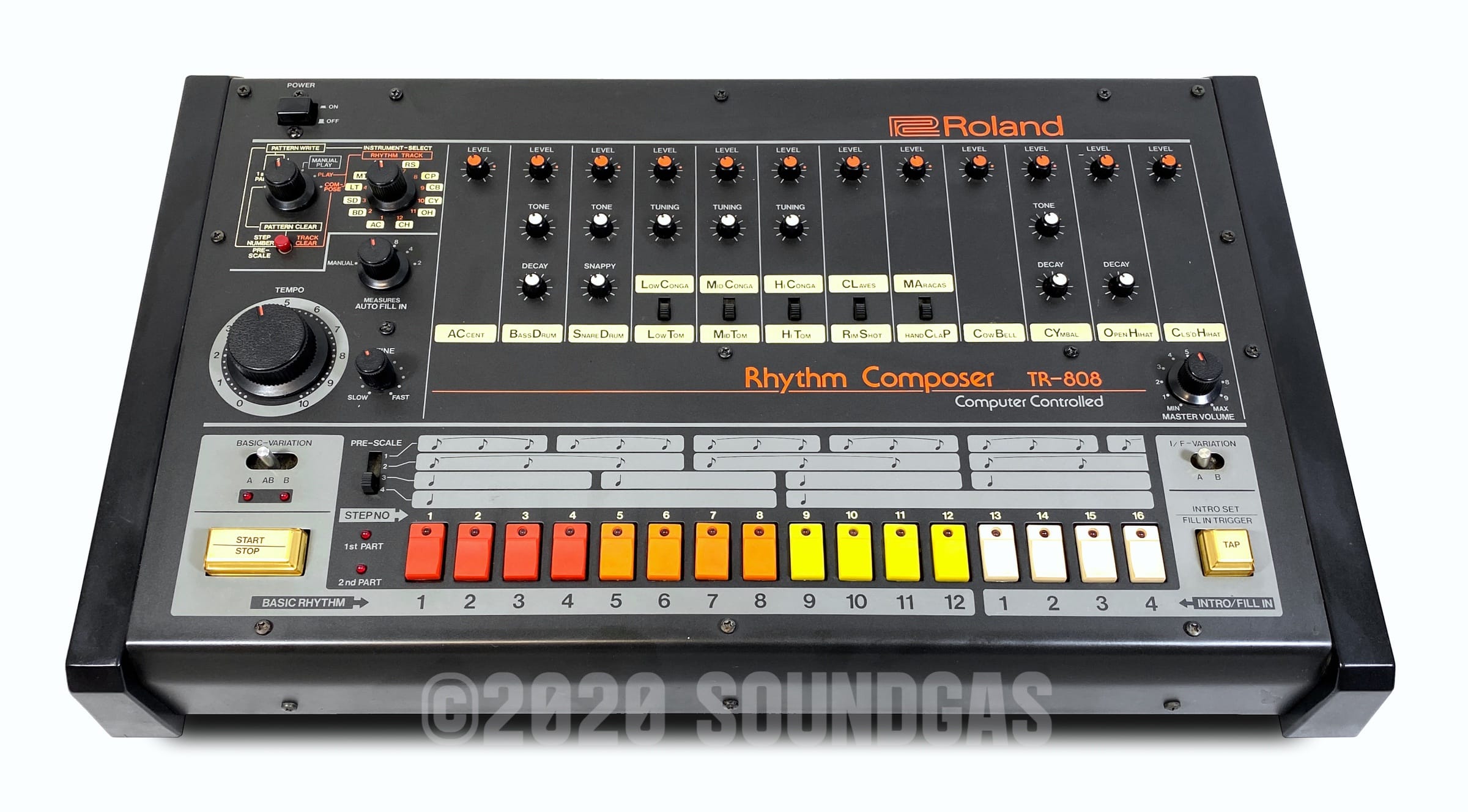
    The first productions of Roland were TR77, TR33, TR55. These rhythm boxes were straightforward to build and cost-effective, as he had prior experience in this field. The Roland SH1000 was the first-ever synthesizer in Japan made in few weeks before the ever so popular Korg 700.

    To make this synth affordable and reliable, he built it with fewer op-amps. It allowed him to reduce the cost of the synthesizer. As a result, users could get a hold of a well-built, reliable synth at a fraction of the cost of other counterparts. And if there is any product that built the foundation of Roland and recording studios in vegas, it will be these historical products.

  • Technics SL-1200 The Story

    Technics SL-1200 The Story

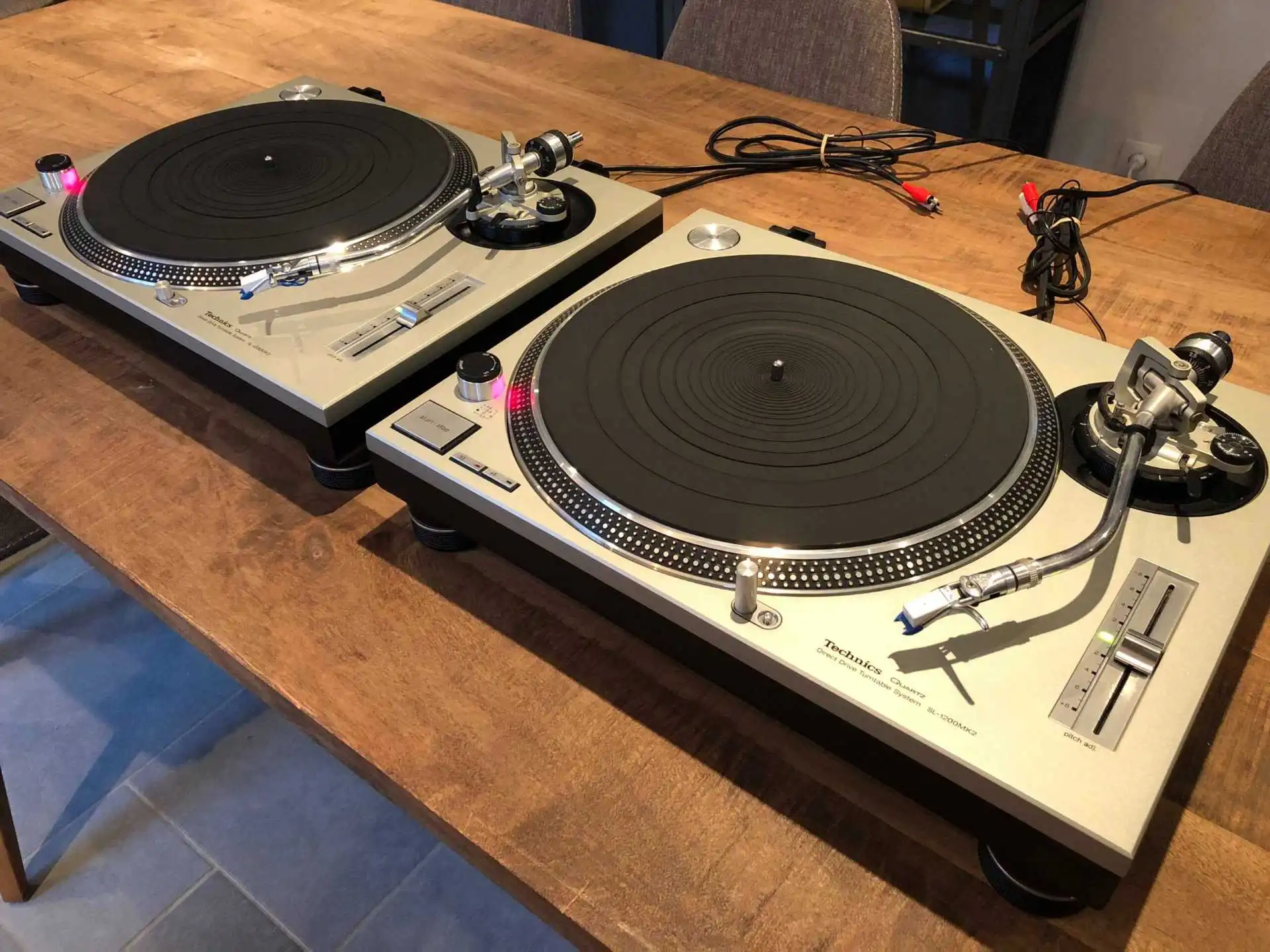
    Technics SL-1200 is without a doubt the foundation of today’s DJ culture. It’s been over 40 years since its first release. But still, to this day, it is considered the standard in the music industry. The SL-1200 is the pioneer of the direct-drive turn-able musical playback that was for music performance.

    The story of the SL-1200 started back in 1972. The Matsushita SL-1200 was one of the first of its kind. It featured a distinctive strobe light, which was there to adjust the rotatory speed of the playback. But what once was invented as a music playback device soon turned into a musical instrument itself.

    The hip-hop culture of Recording Studio Las Vegas is arguably one of the most popular genres of music. And this genre was the first adopter of the famous Technics SL-1200. DJ kool Herc, who is considered the pioneer of the hip hop genre, threw a party on his birthday at vegas recording studios and used the Technics SL-1200.
    People in that era often hired DJs to elevate their block parties to a new level, so the technics product quickly grew in popularity. The amazing portability and Ease of use made it the go-to device for DJs all over Recording Studios in Las Vegas and the world.


    The Best Turntable ever made

    The brand Technics. Founded by Matsushita Electric Industrial Corporation, which is now popularly known as Panasonic. Technics formed to be the leading audio equipment produced in Japan and later around the world and used in Best recording studios in vegas.
    Even though the first release of the SL-1200 was back in 1972,

    what got it more trendy was the MK2 update in 1979. This update included various new features like slide control used for pitch adjustment and much more. Another important update to this device was the direct-drive motor. Instead of the traditional belt drive used for turntables, MK2 features an electromagnetic motor to the mix, enhancing the system’s reliability and functionality.

    The motor allowed the device to get a high torque of up to 0.15NM. In other words, the platter can spin up to 33 RPM right after it gets powder. Opening up new are of musical experiments for musicians Las Vegas recording engineers.
    The SL-1200 was produced until 2010, after which the mk3/D, MK4 of the SL-1200, took over.
    The SL-1200LTD Debut release in 1995 as a limited edition model. With 14k gold plating on the device in las Vegas Night Clubs, the 5000 units produced went off the shelf almost instantly. In the ’90s, the DJ battle was a huge thing. And with the help of Technics SL-1200, they could

    create more robust music and showcase their crafts.
    Up to this day, the SL-1200 is the standard of DJ turntables and arguably one of the best devices to expand the DJ play styles in Recording studio Las Vegas.

  • Focusrite Audio Interfaces

    Focusrite Audio Interfaces

    [vc_row][vc_column][vc_column_text]Focusrite is a company that believes in enriching people’s lives through the Music for Las Vegas recording studio. Focusrite plc is a High Wycombe, England-based English company that distributes audio industry products.
    The company has six brands to control all these products. Focusrite, Focusrite Pro, Martin Audio, ADAM Audio, Novation, and Amplify Music are the six specific brands of Focusrite that thrives in the industry.
    Focusrite is responsible for distributing, building, and designing microphones, preamplifiers, consoles, analog EQs, Channel strips, digital audio processing hardware, and software for professional live shows and home studios.

    History

    Focusrite was formed around 38 years ago. in 1985 by Rupert Neve. The first contract was by Sir George Martin. He wanted the company to build him a custom console called Neve consoles. The goal was to use it for the extension of his famous Air Las Vegas Recording Studio. This contract came with a special commission that kickstarted the company in the early years.

    These Neve consoles were basically for the vintage recording consoles for Sir George Martin’s Air Montserrat studio, situated in the Caribbeans. With a no-compromise preamplifier and equalizer.
    Later in April of 1989, Phil Dudderidge bought the assets of the company. Phil Dudderidge was a very famous person in the audio industry. He was also a veteran of the industry, being the co-founder of the company Soundcraft Electronics Ltd. This purchasing of the company established the company Focusrite Audio Engineering Ltd.
    The purchase resulted in the old and original modules’ return and came with new designs and models. For example, in 1990, Focusrite Audio Engineering Ltd designed and released a new console in the market. The console called the Focusrite Studio.

    Focusrite Audio Engineering

    In 2004 Focusrite Audio Engineering Limited took the Novation Electronic Music Systems Limited under their wing. This new company was the leading producer and distributor of keyboards, synthesizers, and controllers in Britain’s market. And these products of the company are used by many musicians all across the globe.
    The new company’s association added a significant portion of the Las Vegas Recording Studio business opportunity for the company. For example, this association added a new range of products and customers to the company. These also made a strong relationship with the fastest-growing musical market of Electronic Dance Music through these new products and customers.

    Since 2004, the company has shown its ever-growing creativity and success in Music with its wide variety of creative and innovative products. In 2009 the company introduced the launchpad, a collection of videos resulting in a considerable boost of marketing through many YouTube videos and Las Vegas Recording Studio.
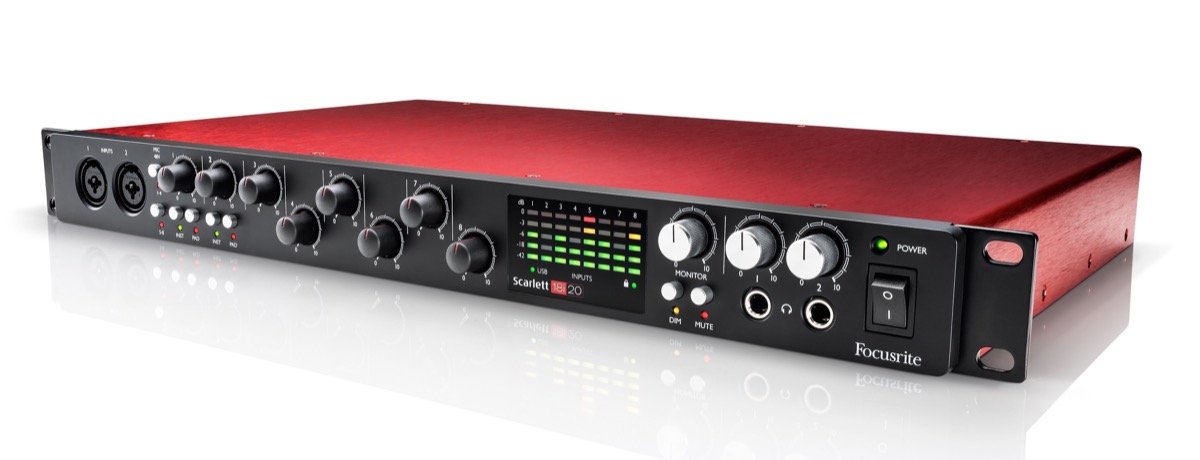
    Focusrite Audio Interfaces of the Scarlett USB interface came in 2010. And from then it has become the highest-selling product in the place of home studio products. The company also has another interface called Clarett USB. It is also a very famous product regarding interfaces.[/vc_column_text][/vc_column][/vc_row]

  • Recording Studios & Telefunken ELAM 251E

    Telefunken ELAM 251E is one of the best and most elegant microphones ever produced. You cannot count the number of classical pieces recorded on it over all these years. Some experts even state it to be a crown jewel of Recording Studios.
    It can cost anyone close to ten thousand dollars in any vintage market to have one. with a historical heritage of over fifty plus years.

    History

    The brand or the company of the product dates back to 1903. This brand was a joint venture by two small companies known as Siemens & Halske and AGL.
    Siemens and Halske were working for the German Military at that time. They were mainly building wireless communication for the German Army. And then AGL was working for the Imperial Navy of Germany.

    They came together and joined forces with the German Emperor Kaiser Wilhelm II’s advice from there. This joined venture created the Telefunken. The name Telefunken was very catchy and meaningful. As the prefix, tele has a Latin origin, and “Funken” is a German word that means spark.
    From being formed, Telefunken ruled the technology market of the 1900s with its different ventures. And the experience consists of wireless radio communications, television to video cameras, microphones, and preamplifiers.

    But it was around 1947 when Telefunken started distributing the world-famous U47. U47 is the first switchable pattern condenser microphone ever produced. And thus, it became trendy in the market of microphones.
    Back then, ribbon microphones were most prevalent in recording studios. But then the new arrival of U47 took the market by storm and replaced the previous ones.

    The ELA M 251/251E

    The designer of U47, Georg Neumann, decided not to renew the distribution contract with Telefunken even though it was pretty famous. And this is why the U47 got pulled from the distribution.
    The AGL got the new contract to distribute some same quality but different products. And from there, one of the best microphones that came out was ELA M 251. After coming out, it became something legendary with time. introduced to this world In 1959, the ELA M 251/251E.
    But sadly, it was in production for only a few years.

    It was in production from 1959 to 1962. produced in the market for Recording studios. Still considered one of the best-sounding microphones ever produced.
    The ELA M 251/251 E microphone was not available for around four decades. But with time, it got the legendary status. And its smaller number of the original production with its fragility made it very rare and valuable. Then this led to the rebirth of Telefunken.